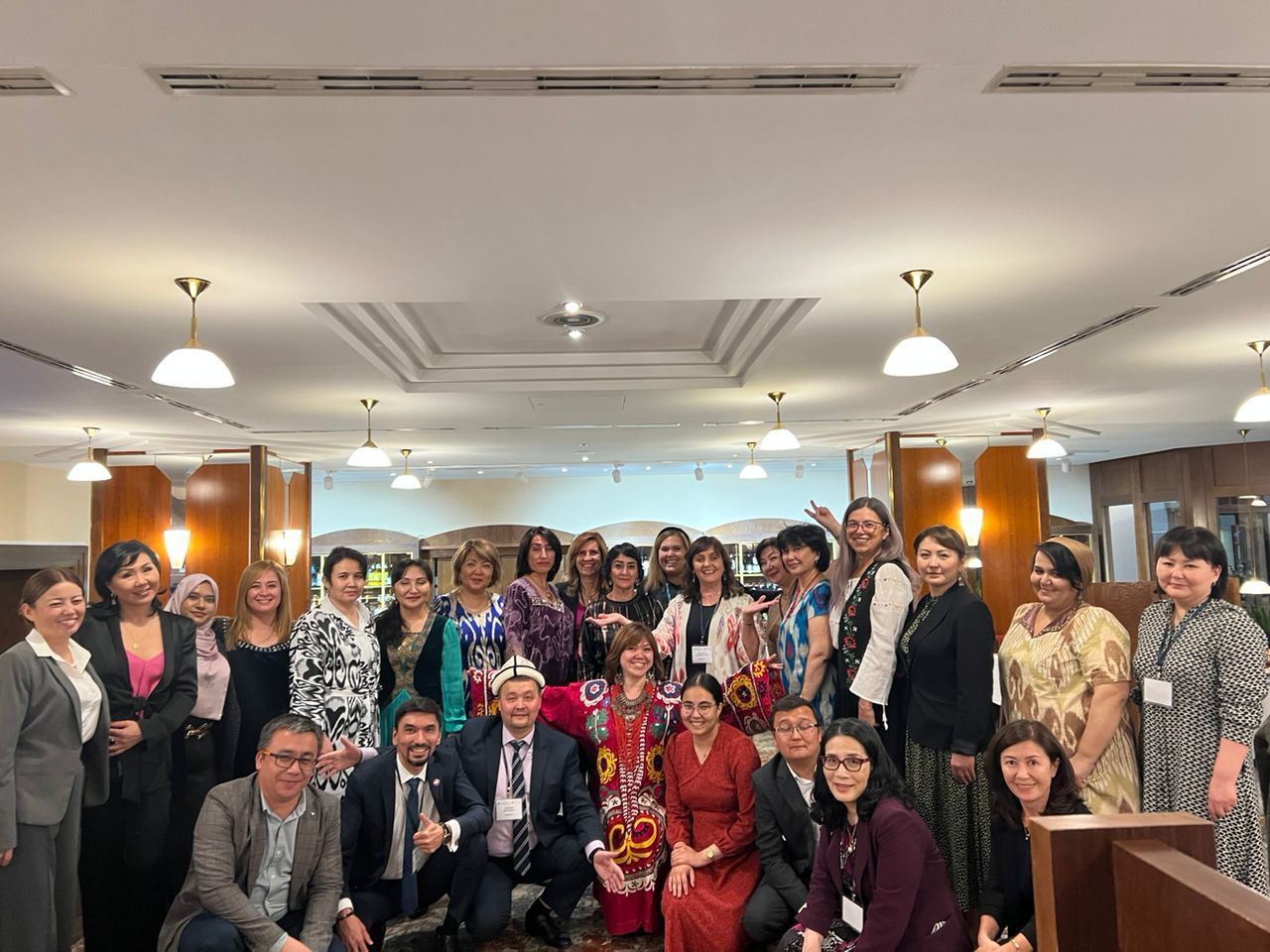
The Women in Nuclear Central Asia (WINCA) Network held its first Leadership Meeting in Astana, Kazakhstan, on January 27-29, 2026. The meeting provided an important platform for WINCA leadership to review the Network’s ongoing and planned activities, assess progress on the WINCA Mentoring Program, and discuss leadership rotations and long-term sustainability. In addition, WINCA members engaged with key stakeholders from Kazakhstan’s nuclear sector through technical tours and bilateral meetings.
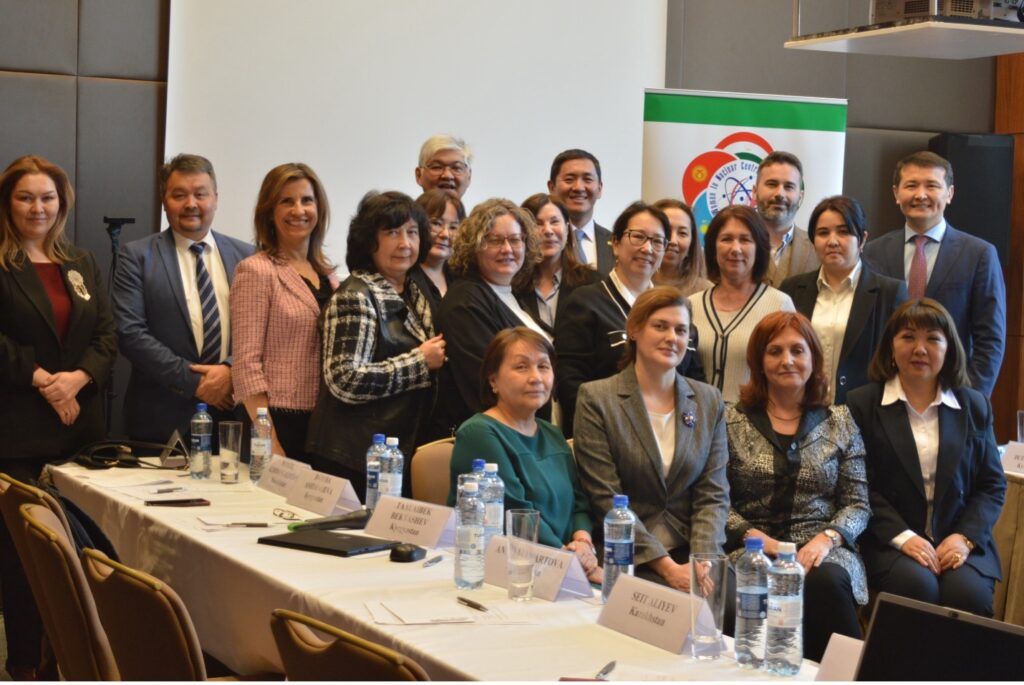
Day 1: Review of Activities and Strategic Discussions
The first day of the meeting included participation of a delegation from the International Science and Technology Center (ISTC), led by Executive Director Karina Angulieva, who attended as observers to learn more about WINCA’s mission and core activities.
The opening session featured a progress report prepared by the outgoing WINCA Coordinator, Zarina Sayfieva. As Ms. Sayfieva was unable to attend, the report was delivered on her behalf by Aida Duishenbieva, WINCA Communications Officer. The report highlighted the Network’s strong performance over the past year, including the successful organization of webinars, development of the WINCA Mentorship Program, expansion of social media presence, and preparation of promotional materials.
This was followed by reports from WINCA country coordinators who highlighted WINCA activities that they organized in the respective countries, such as technical tours and outreach activities.
Dr. Nurzhamal Sarseitova presented a comprehensive overview of the WINCA Mentorship Program, currently being implemented as a pilot initiative. A call for mentors resulted in the identification of 16 mentors. Dr. Sarseitova also developed a promotional video for the program and encouraged country coordinators to actively promote participation among their national members. Plans were also discussed to organize a joint webinar with the Black Sea Women in Nuclear (BSWN) Network to exchange experiences on mentoring.
Dr. Marina Li and Mr. Dauren Aben presented on WINCA’s webinar series, which is held on a regular bimonthly basis. Past webinars have addressed topics such as uranium mining legacy, nuclear security, and the role of the next generation in the nuclear field.
Representatives of ISTC then delivered briefings on their priority areas and explored potential synergies with WINCA activities.
A session on communications and outreach followed, led by Aida Duishenbieva, who presented progress in strengthening WINCA’s social media presence, particularly through YouTube. She also introduced a new video series, “WINCA and Me,” aimed at highlighting individual members. Key challenges identified included the need to better tailor communication strategies to younger audiences. Participants also emphasized the importance of enhancing WINCA’s website and updating promotional materials, including the Network’s brochure.
The first day concluded with a virtual presentation by Dr. Valeriia Gergieva, Vice-President of the Black Sea Women in Nuclear (BSWN) Network. Dr. Gergiieva provided updates on BSWN’s activities, including recent leadership elections, and the current membership of approximately 190 members. She underscored the importance and benefits of leadership rotation, giving opportunities to a wide range of BSWN members to try themselves in leadership roles.
Day 2: Partnerships, Planning, and Governance
The second day focused on strengthening partnerships with regional and international stakeholders, including industry representatives, international organizations, and professional associations such as Women in Nuclear Global (WiN Global) and the Institute of Nuclear Materials Management (INMM). Participants agreed on the importance of formalizing such collaborations through Memoranda of Understanding (MOUs).
Discussions also highlighted the need to develop a comprehensive database of WINCA experts and to further clarify membership criteria, including potential expansion to include students. Participants emphasized that webinars, joint publications, and academic exchanges could enhance the value of WINCA membership.
Country coordinators were encouraged to leverage official travel opportunities to strengthen engagement with WINCA members across the region.
A session on WINCA’s 2026 activities generated several proposals, including expanding thematic coverage to chemical, biological, radiological, and nuclear (CBRN) and nonproliferation topics, and further strengthening the mentoring program. Additional recommendations included organizing dedicated webinars for mentors and developing professional profiles for participants.
Participants also discussed enriching webinar content by engaging experts from partner networks such as BSWN, including both Russian and English-speaking specialists, and prioritizing topics of interest to younger professionals. Expanding social media engagement, particularly through short member videos, was identified as a key priority.
A dedicated session on leadership rotation addressed the need for a structured approach to leadership succession and broader participation from member countries. Following discussions, WINCA members unanimously elected Dr. Togzhan Seyfullina as the next leader of the Network.
Further discussions focused on the long-term sustainability of WINCA. Key priorities identified included developing an official charter, establishing mechanisms for continuous programming rather than ad hoc activities, improving documentation of activities, and ensuring sustainability and members’ engagement. Participants also emphasized the importance of mentorship and leadership development to expand the pool of future leaders. Recommendations included seeking guidance from BSWN on organizational structure and best practices.
Day 3: Technical Engagement and Stakeholder Outreach
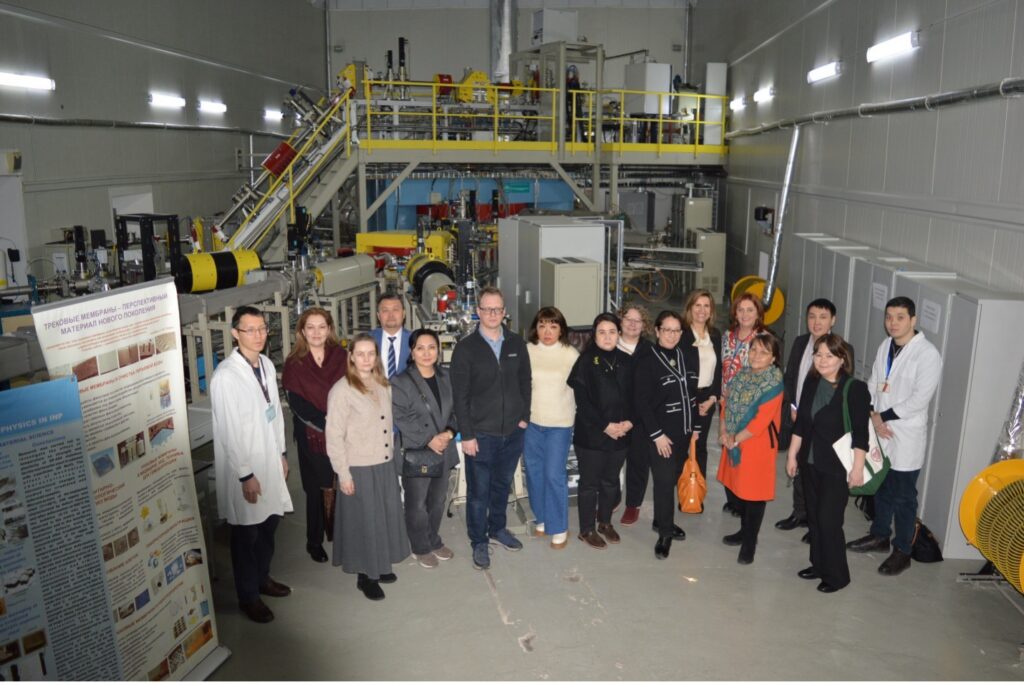
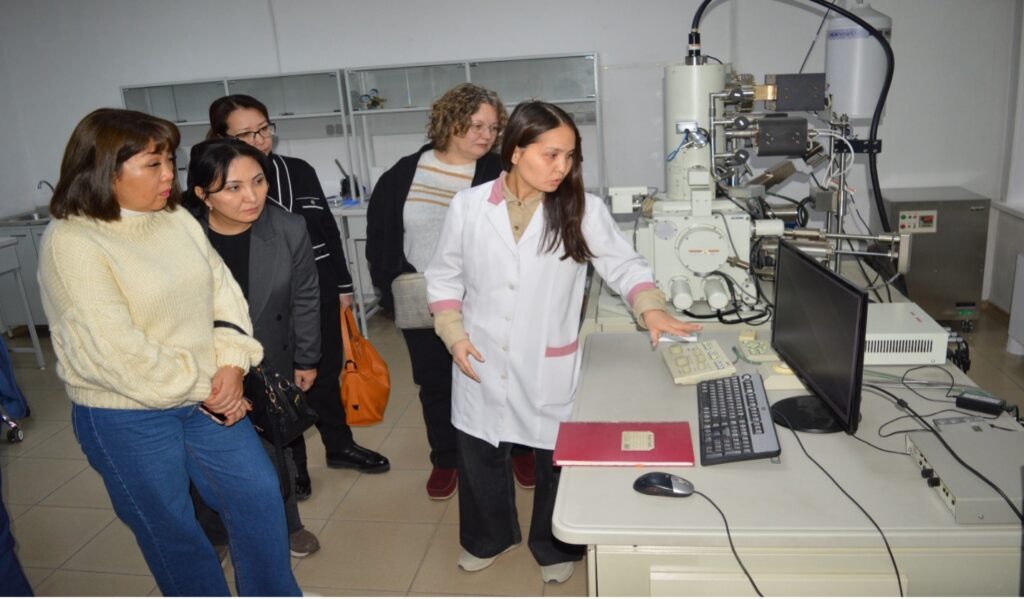
The third day began with a technical visit to the Astana Branch of the Institute of Nuclear Physics (INP), a leading research center under the Ministry of Energy of the Republic of Kazakhstan. Participants received briefings and demonstrations from early-career women scientists and students on INP’s work in nuclear physics, solid-state physics, radiation materials science, and nanotechnology. The facility’s ion accelerator complex and its role in training young specialists were of particular interest.
Following the visit, WINCA leaders met with representatives of the newly established Atomic Energy Agency of Kazakhstan. During the meeting, Dr. Togzhan Seyfullina initiated discussions with Deputy Chairman Timur Zhantikin and his team on potential areas for cooperation. The Agency expressed strong interest in WINCA’s activities and openness to future collaboration.
Conclusions and Outcomes
Participants highlighted the value of collaboration with ISTC in supporting WINCA’s future activities and facilitating connections with technical experts. The meeting also underscored the importance of country coordinator contributions and long-term strategic planning. The importance of in-person engagement was strongly emphasized, particularly in fostering collaboration and enabling effective leadership transitions.
Following the in-person meeting, a virtual ad hoc session was held to finalize the new leadership structure. WINCA is pleased to announce that Dr. Togzhan Seyfullina has assumed the role of President, while Ms. Aida Duishenbieva will serve as Vice-President and continue in her role as Communications Officer.
The WINCA Network congratulates its new leadership and expresses its sincere appreciation to Ms. Zarina Sayfieva for her dedication and leadership during the Network’s formative first two years.